
South Korea is facing a demographic challenge unlike any it has faced in its modern history. The country’s fertility rate has plummeted from six children per woman in 1960 to just 0.72 in 2023 – the lowest in the world. This demographic crisis has fueled a search for solutions. Labor migration has brought in workers to fill jobs in factories and farms to fulfill the shortage caused by the declining population. However, there is another, less-discussed response to the demographic shift – international marriage.
Women account for the majority of all migrants in Korea through marriage. Between 2000 and 2020, the vast majority of female marriage migrants to South Korea came from neighboring Asian countries, especially China, Vietnam, and the Philippines, with smaller numbers from Thailand and Japan. Together, these five countries account for about 80% of all international marriages. Korean women, however, tend to marry men from a broader range of countries, still mostly within Asia but also extending to regions like North America. This trend shows different aspects influencing international marriages that go beyond the union between two people to involve a wide range of actors, including the government and marriage agencies.
Why International Marriages? The Beginning

Figure 1: Migrant Wives in South Korea (Source: Disruptive Asia)
The story begins in the 1990s, when many young Korean women were leaving rural towns for cities, drawn by education and work opportunities. Decades of strict family planning policies, combined with a deep-rooted social preference for sons followed by sex-selective abortions, had already left South Korea with a stark gender imbalance. By 1990, the sex ratio had peaked at 117 boys for every 100 girls. This shortage of women, especially in rural areas, meant many men struggled to find partners. The imbalance only worsened over time: by 2010, there were about 142,000 fewer women than men in the same age group in the country. This disproportion led to a substantial reduction in the availability of marriage partners for unmarried men in those areas.
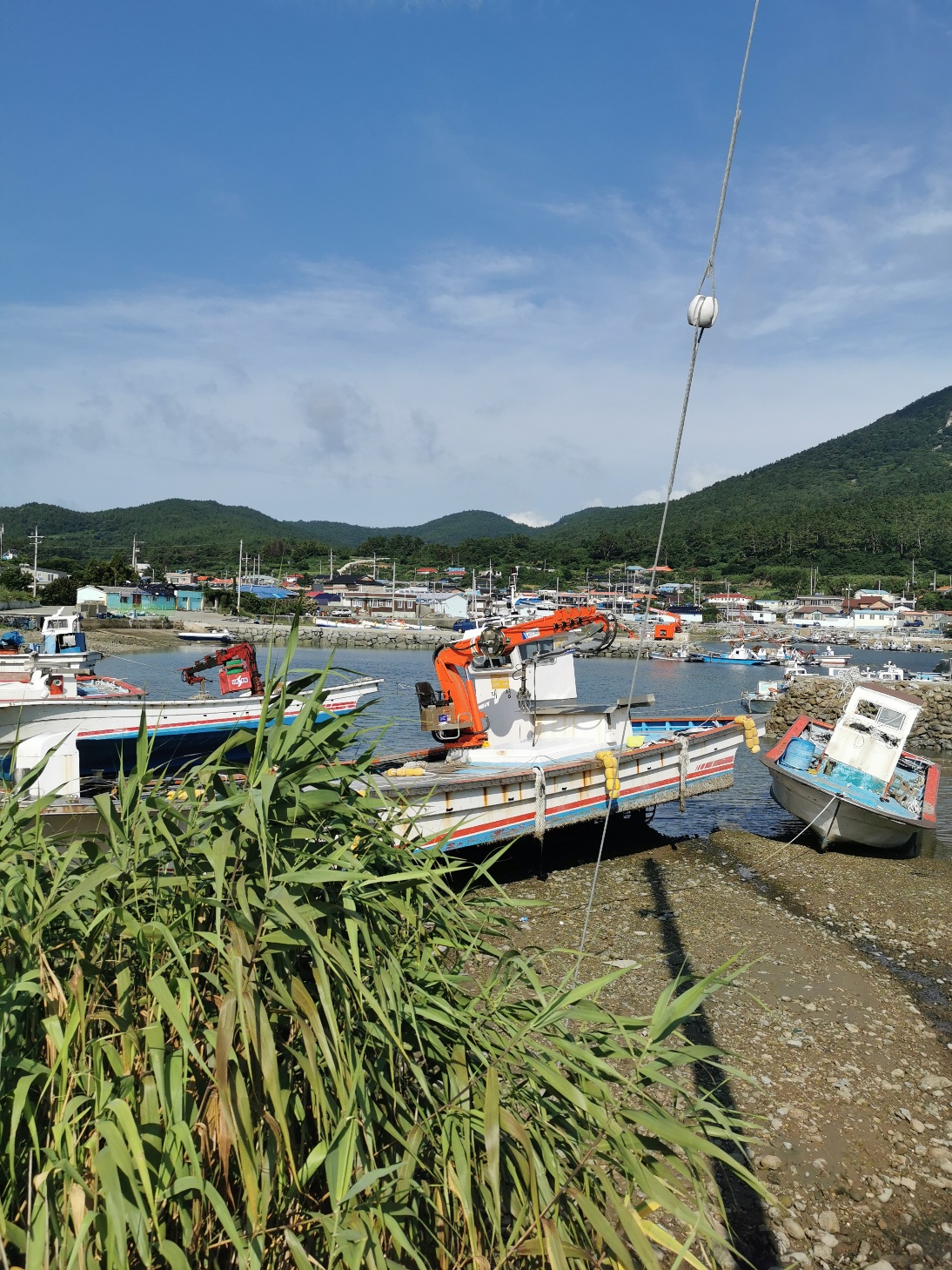
Local governments, alarmed at shrinking populations, began encouraging international unions. Campaigns like “Let the Rural Bachelor Get Married” were launched to find a solution. Matchmaking agencies flourished, pairing Korean men, often farmers or fishermen, with women from Vietnam, China, the Philippines, and Cambodia. By the mid-2000s, women made up more than 80 percent of all marriage migrants in Korea. For many, international marriage provided an opportunity for economic mobility compared to opportunities in their home countries. For rural Korean men, it offered the possibility of a family and children in places where the population was otherwise in decline.
Commercial marriage agencies have also played a key role in connecting Korean men with transnational brides, making international marriages an easier option. These agencies handle everything, from contracts and fees to matchmaking events abroad and visa paperwork, often moving from first meeting to marriage in less than a week. On average, Korean men pay about 13.7 million won in brokerage fees. Critics say that such costly fees create unequal relationships, with some women even being told by their husbands, “I bought you.” Concerns over exploitation led to the Marriage Broker Act of 2008, which introduced stricter licensing requirements, training for brokers, and advertising regulations. Since then, the number of agencies has decreased, and most remaining ones are now small, individually-operated businesses.
Challenges for Marriage Migrants
Female marriage migrants in South Korea often face a range of difficulties, including language barriers, cultural gaps, domestic abuse, and societal discrimination. These challenges are particularly acute in rural areas, where traditional patriarchal norms remain strong, and foreign brides are sometimes pressured to abandon their native cultures and fully assimilate. A 2018 survey by South Korea’s National Human Rights Commission revealed alarming statistics: 42% of foreign wives experienced domestic violence, 68% faced unwanted sexual advances, and over 80% endured severe verbal abuse. In 2007, a 19-year-old Vietnamese bride in Cheonan was fatally beaten by her husband just a month after their wedding; in 2010, another 20-year-old Vietnamese woman was killed only eight days after arriving in Korea, unaware of her husband’s mental illness.

Figure 2: A Korean class at the Women Migrants Human Rights Centre in Seoul (Source: The Diplomat)
Experts highlight how international matchmaking agencies can create unfair dynamics, sometimes treating women as property rather than partners. Criticisms include their use of sexualized images and even offering partial refunds if the bride leaves him. In some cases, husbands and their families manipulate visas or citizenship to keep control over the migrant women. In addition to that, reporting abuse is risky for the marriage migrants, as they could lose their right to stay in Korea or be separated from their children. Cultural attitudes also hinder intervention, with only a small percentage of domestic violence cases resulting in arrests or jail time. Additionally, unlike Western marriage migrants, many women from Southeast Asia who marry through agencies often come from poorer economic backgrounds and have limited access to education, further limiting their individual opportunities in South Korea.
The Emergence of “Multicultural Families”

Figure: Korean Spouse (F6-1) Visa (Source: Hu, Shirley)
It was not until 2006 that South Korea officially introduced a “multicultural policy.” Unlike in Western countries, where multiculturalism evolved from long histories of ethnic diversity and immigration, South Korea’s version was driven by demographic needs. Here, “multicultural family” has a very specific meaning: a household where a South Korean citizen is married to a foreign spouse. The term was introduced to replace older, discriminatory language like “mixed blood,” but it still reflects an approach focused more on assimilation than on celebrating diversity.
Government programs, such as the Multicultural Families Support Act of 2008, aimed to help foreign spouses integrate quickly into Korean society. Support was more about parenthood and less about citizenship, highlighting the role of marriage migrants in maintaining the traditional family structure. The policy, centered around parenting support and cultural adjustment, reveals how migrants were incorporated less as equal members of society and more as solutions to the demographic crisis. Thus, by linking multiculturalism so closely to the family unit, the policy reinforced traditional gender and social hierarchies, while sidestepping deeper structural reforms that might address South Korea’s demographic decline in more sustainable ways.
Policies and Controversies
Not all policies were welcomed. Some local governments offered cash incentives for men who married foreign women, framing international marriage as a tool to revive rural areas economically. In the late 2000s, some local governments offered men subsidies, ranging from 3 to 12 million won if they married foreign women. The aim was to revive farming communities and counter aging populations. However, these ordinances were gradually abolished, criticized for framing marriage as a financial transaction and raising serious human rights concerns, with critics arguing that such policies reduced women to commodities. Further regulation of the marriage industry also came after a few troubling stories of abuse and exploitation pushed both South Korea and migrant countries of origin, like the Philippines and Cambodia, to tighten oversight.
Still, the state’s approach continues to divide opinion. Support for multicultural families is extensive, but it often fails to promote cultural diversity. It reflects the underlying conditions of South Korean society, where homogeneity is preferred. For example, would-be Korean grooms demonstrate a preference for brides from Vietnam, often explained by their “East Asian appearance.” These physical traits allow potential children to blend in, a reflection of South Korea’s deep-rooted emphasis on ethnic homogeneity.
Looking Forward
As South Korea faces a shrinking workforce and an aging population, international marriages will likely remain a part of its future and might even become more significant over time. But the bigger question is what kind of society the country wants to become. Will South Korea move toward a broader embrace of diversity? In recent years, government policies and initiatives have shown positive progress, but there is still a long way to go for South Korea when it comes to marriage migrants and multiculturalism.

- Beyond the Cloud: AI’s Energy Footprint and Environmental Cost - July 17, 2026
- Between Impunity and Silenced Voices: Gendered Violence in Bangladesh’s Hill Districts - March 31, 2026
- Integration, Not Assimilation: What South Korea Can Learn from Singapore - February 20, 2026